Descubre un destino que te sorprenderá
Explora rincones incomparables, pueblos llenos de cultura y tradición, una gastronomía reconocida en todo el mundo, unos paisajes extraordinarios, una fuerte identidad que hace de nuestro territorio un destino muy singular y atractivo. Hay tantas otras cosas y lugares a ser descubiertos en el País Vasco que no te dejará indiferente.
BUSCA TU DESTINO
CIUDADES DE EUSKADI
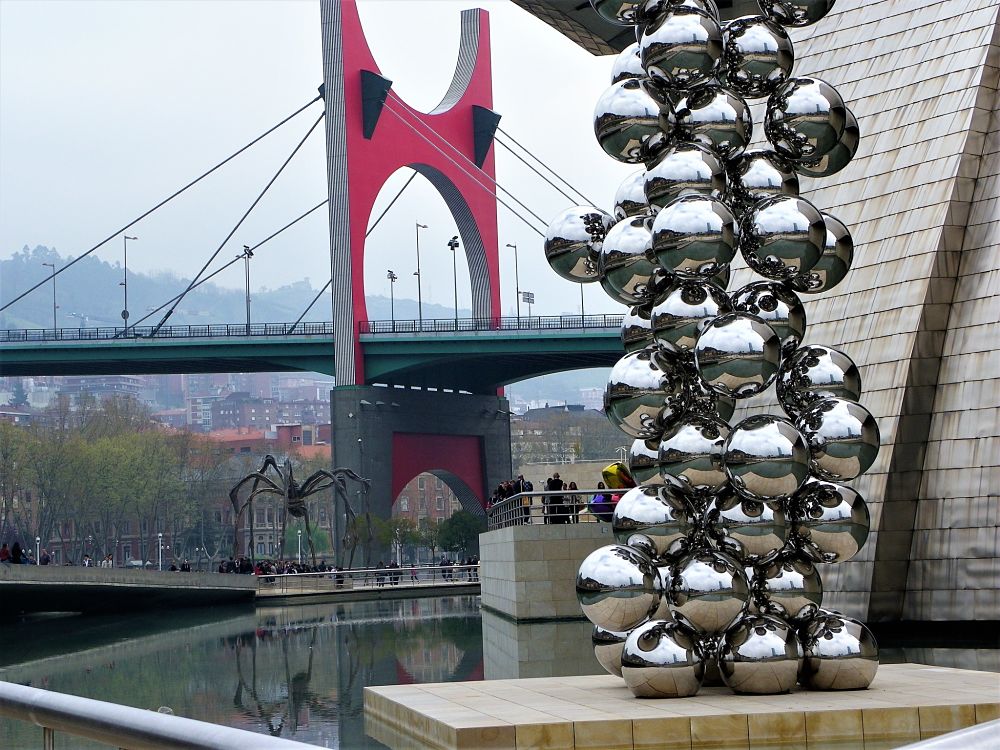
Elige tu ciudad, disfruta sus calles, comercios, restaurantes. Visita monumentos, admira su arquitectura, pasea por sus parques. Simplemente saborea la ciudad, es una experiencia única, ¿a qué esperas para comprobarlo?
LA COSTA VASCA
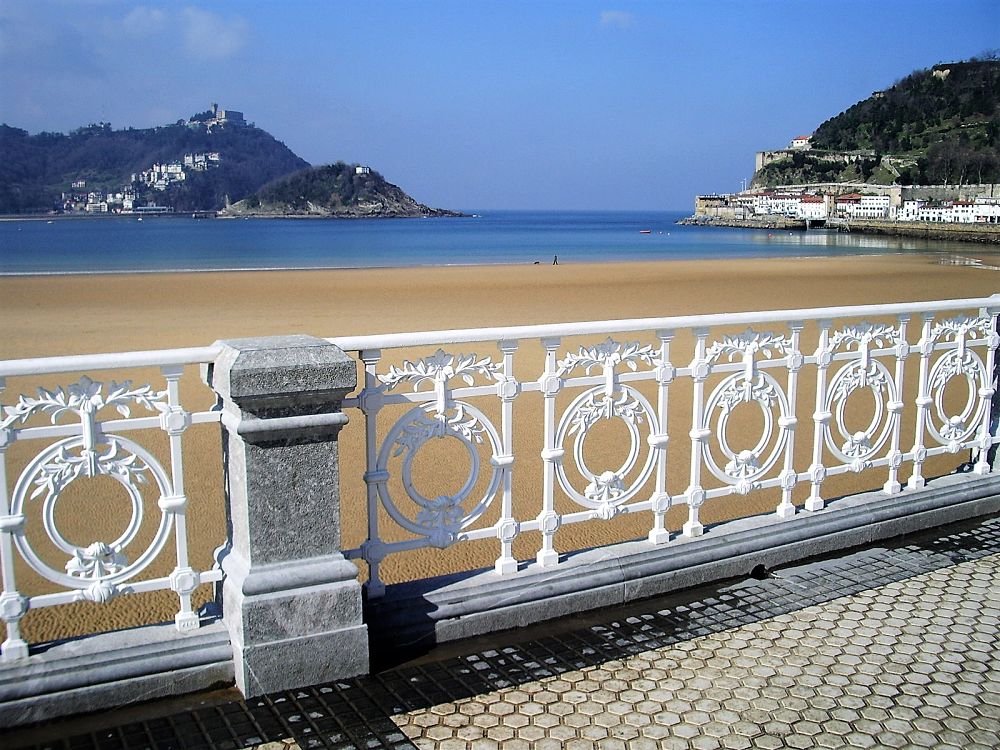
Descubrirás villas y pueblos con un carácter peculiar. Encontrarás ermitas en acantilados, faros que guían en la oscuridad y playas de arenas finas y sedosas.
PAISAJES DEL INTERIOR
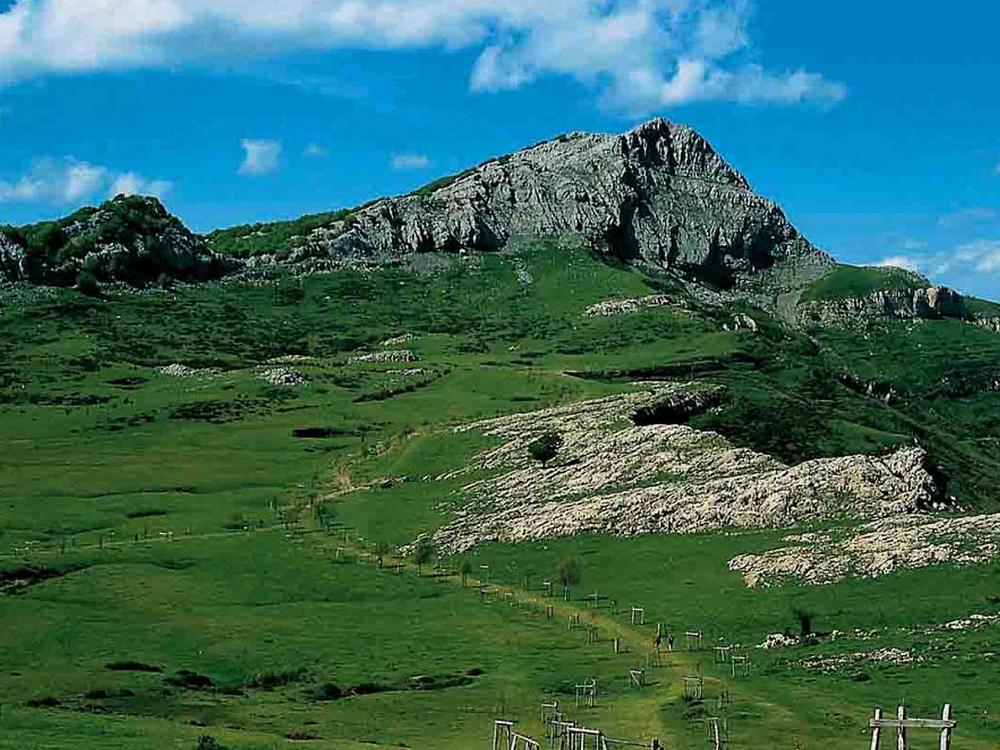
Visitando nuestros montes y valles te verás inmerso en un paraíso verde. Podrás conocer de cerca los parques naturales que se extienden por todo el territorio.
CIUDADES DE EUSKADI
Elige tu ciudad, disfruta sus calles, comercios, restaurantes. Visita monumentos, admira su arquitectura, pasea por sus parques. Simplemente saborea la ciudad, es una experiencia única, ¿a qué esperas para comprobarlo?
LA COSTA VASCA
Descubrirás villas y pueblos con un carácter peculiar. Encontrarás ermitas en acantilados, faros que guían en la oscuridad y playas de arenas finas y sedosas.
PAISAJES DEL INTERIOR
Visitando nuestros montes y valles te verás inmerso en un paraíso verde. Podrás conocer de cerca los parques naturales que se extienden por todo el territorio.
RIOJA ALAVESA
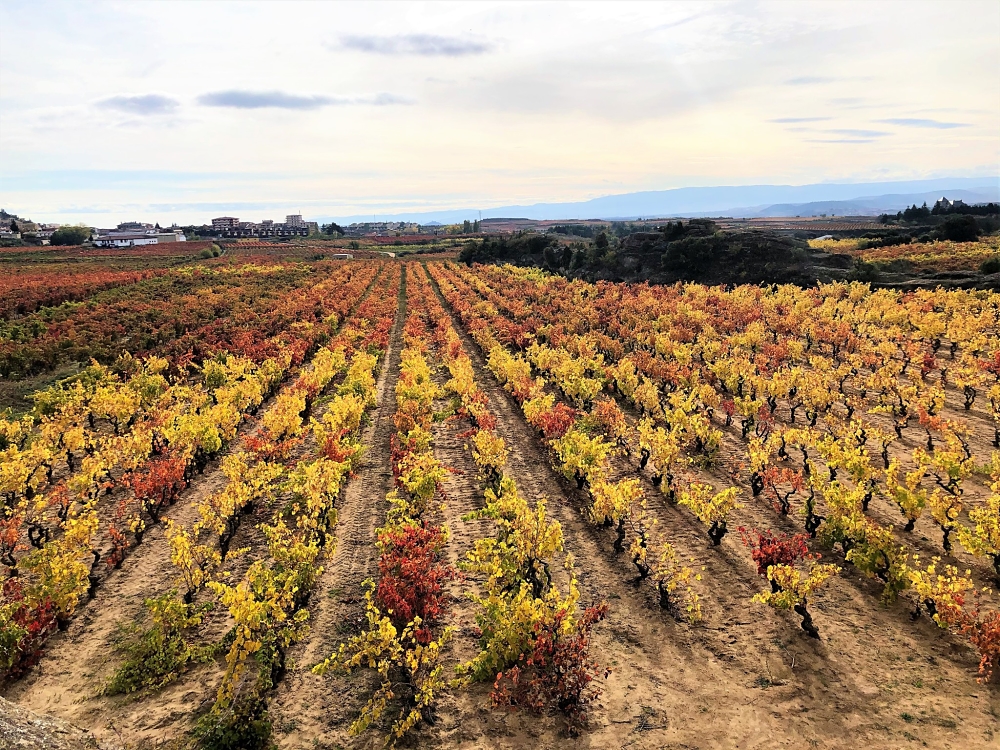
Visita el paraíso de los vinos. Disfruta de sus caldos, de su gastronomía, de su tierra de colores y de experiencias que te instruirán en el mundo de la enología.
MICE
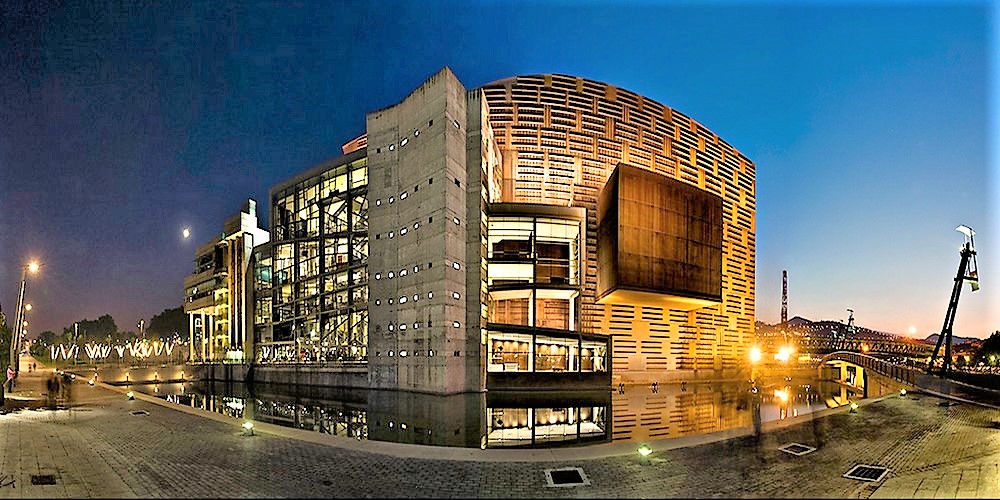
Euskadi destaca como un destino ideal para la organización de eventos, convenciones y reuniones de toda índole… podrás saborear la infinidad de atractivos que ofrece. Nuestra experiencia y conocimiento del destino serán el apoyo perfecto para su proyecto.
DESTINOS POR EL MUNDO
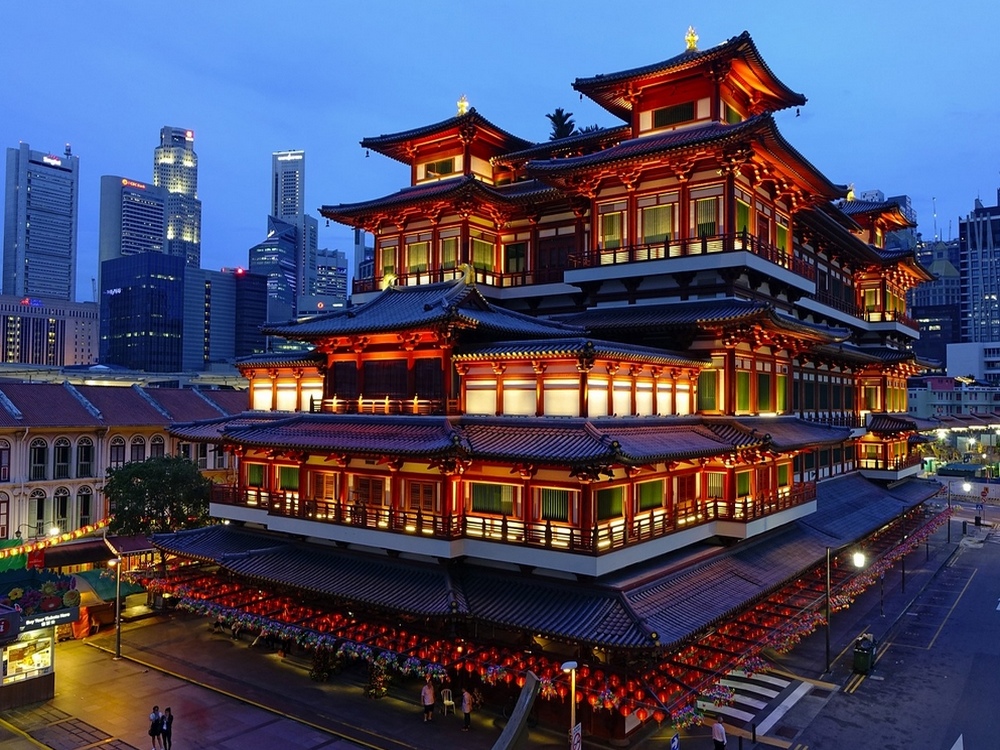
En Basquelands también diseñamos tu viaje a cualquier destino del mundo, siendo especialistas en viajes a medida por los cinco continentes.
RIOJA ALAVESA
Visita el paraíso de los vinos. Disfruta de sus caldos, de su gastronomía, de su tierra de colores y de experiencias que te instruirán en el mundo de la enología.
DESTINOS POR EL MUNDO
En Basquelands también diseñamos tu viaje a cualquier destino del mundo, siendo especialistas en viajes a medida por los cinco continentes.
MICE
Euskadi destaca como un destino ideal para la organización de eventos, convenciones y reuniones de toda índole… podrás saborear la infinidad de atractivos que ofrece. Nuestra experiencia y conocimiento del destino serán el apoyo perfecto para su proyecto.